Reading Between the Lines of a Studio’s Pilates Page
A well-built Pilates page does more than list class times and prices. It tells you who teaches, what certifications they hold, and whether the studio distinguishes between mat work and reformer sessions, two formats that differ substantially in equipment, cost, and physical demand. Many studio websites skip this detail entirely, leaving new students to guess whether they’re walking into a gentle stretching class or a sweat-heavy strength session. The absence of that information is often the first sign that a page was written for search engines rather than for the people who actually need the content.
Pages that earn trust tend to include specifics about class size, instructor-to-student ratios, and what a first-timer should wear or bring. Some go further, offering a short video walkthrough of the studio floor or a sample class breakdown minute by minute. These details matter because Pilates draws a wide range of participants, from rehabbing athletes to office workers trying to counteract hours of sitting. A page that anticipates those different needs and speaks to them directly is doing the work a front-desk conversation used to do, and doing it before anyone has to make a phone call or show up unprepared.
Pricing transparency is another area where studio pages tend to separate into two camps. Some list exact rates for drop-in classes, monthly packages, and new-client introductory offers right on the page, while others bury that information behind a contact form or a phone call requirement. The second approach might generate leads for the studio, but it does little for someone trying to compare three or four studios in an afternoon before deciding where to spend their money. A page willing to show its pricing upfront signals a certain confidence in its value, and that confidence tends to extend to other parts of the site as well, from instructor bios to class descriptions.
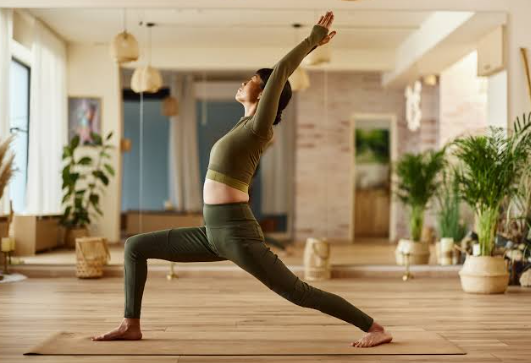
Photography and video also reveal more than studios might intend. Images that show a crowded, dimly lit room with mismatched equipment suggest something different than a bright, spacious studio with clearly labeled reformers and props. First-timers scanning these pages are often making a judgment call based on these visual cues alone, since they have no other way to gauge what walking through the door will actually feel like.
Where Pilates Fits Next to Strength and Cardio Work
Pilates rarely stands alone in a balanced fitness routine, and the better studio pages acknowledge that directly instead of pretending their class is a complete solution. Core stability and controlled breathing translate well into lifting form, running posture, and recovery from injury, but they don’t replace the cardiovascular or resistance training that most adults still need. This is where a lot of marketing copy gets vague, implying that twice-weekly mat classes cover every fitness base when the research says otherwise. The beginner gym workout approach that many beginners start with actually pairs well with Pilates, since one builds postural control while the other builds the strength base that mat work alone won’t provide.
For someone who has never set foot in a gym, pairing a Pilates practice with structured strength sessions can round out the picture without overwhelming a beginner’s schedule. The two aren’t competitors; one builds the postural control and breath awareness that makes lifting technique easier to learn, while the other builds the strength and conditioning that Pilates isn’t designed to deliver on its own. Studios that mention this pairing, even briefly, tend to come across as more credible because they’re not selling Pilates as a cure-all. The ACSM physical activity guidelines outline weekly targets for both aerobic activity and muscle-strengthening work, and Pilates alone doesn’t check either box completely on its own.
The practical upshot for anyone comparing studio websites is to look past the photography and pricing tables and check whether the page treats Pilates as one part of a fuller routine. A page that mentions modifications for injuries, realistic timelines for seeing results, and how the class complements other training is simply more useful than one that leans on testimonials and stock imagery. Beginners especially benefit from this kind of honesty, since unrealistic expectations are one of the more common reasons people quit a new fitness habit within the first month.
Clear, specific information on a studio’s Pilates page tends to correlate with how well that studio treats its actual clients once they walk through the door. Pages written with care, with real answers to practical questions, usually come from studios that put the same care into onboarding, instruction, and follow-up. That pattern holds often enough that it’s worth treating a studio’s website as a meaningful part of the decision, not just a formality on the way to booking a first class.