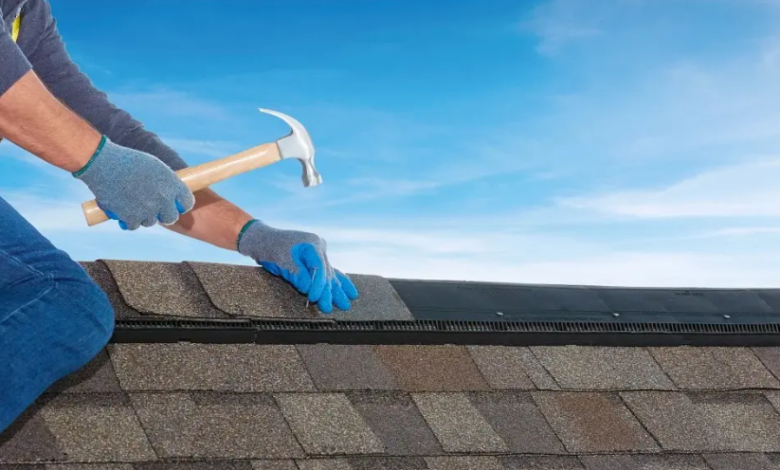
Roof ventilation in Calgary is a mechanism that circulates stale, moist air out and fresh air in, designed for our dry winters and warm chinooks. Appropriate vents slice through ice dams, reduce attic heat and extend the lifetime of shingles.
Angel’s Roofing designs soffit, ridge, and static vent arrangements to comply with Calgary codes and roof styles. Crews adhere to safety guidelines and use high-quality components for consistent ventilation 365 days a year.
Need straightforward advice and honest prices? Find out more or get a free estimate.
Calgary’s Climate Challenge
Calgary’s climate extremes stress roofs year-round. Heavy snow loads, brutal freeze-thaw cycles and rapid transitions from cold to warm increase the potential for ice dams and roof damage when attics can’t vent heat and moisture. Stable airflow keeps roof decks close to outdoor temperatures, minimizes melt-refreeze at eaves, and reduces the possibility of “attic rain,” where warm indoor vapour condenses and drips into the attic.
Gusty southern Alberta winds and regular Chinooks add to this distance. Late-winter warm-ups after a deep freeze mean Alberta maintains Canada’s record for most dramatic temperature change, with Pincher Creek leaping 41°C on January 10, 1962. This turns saturated snow into run-off within hours. If the soffit intake is choked or the exhaust is weak, that runoff re-rezes at overhangs and pushes water under shingles.
High winds lift tabs and strip shingles, and missing shingles account for approximately 80% of leaks we diagnose at Angel’s Roofing. Vent systems must maintain balanced intake and exhaust even under gusts and drifting snow.
Key factors that affect attic insulation and airflow in Calgary:
- Winter: Deep cold, heavy snow loads, drifting at ridges and valleys, ice dams at eaves
- Winter: The stack effect pulls moist indoor air up, creating a risk of attic rain.
- Spring/fall: 24-hour temperature swings stress shingles and cause fast melt.
- Summer: intense sun, high roof deck heat, thermal expansion and shingle curl
- Year-round: Wind-driven snow and dust block vents, wind uplifts on shingles.
- Year-round, uneven insulation levels create hot and cold zones in the attic.
Calgary’s rollercoaster climate requires custom ventilation, not one-size-fits-all kits. We design for balanced net free area, snow-screen-protected ridge vents, continuous soffit intake, and baffles to keep airflow channels open above the insulation.
In hail and high-wind zones, we use low-profile ridge exhaust rated for uplift, mechanical vents only where wind patterns require, and air-sealed ceiling planes to halt vapour intrusion. This method maintains stable roof surface temperatures, reduces the risk of ice dams, enhances energy efficiency, and prolongs shingle life from season to season.
The Anatomy of Attic Ventilation
The anatomy of attic ventilation Calgary has to contend with cold winters, chinooks, and dry summers. It’s all about a cold roof in winter and constant airflow year-round to reduce ice dams, dampness, and shingle heat stress.
Intake, Exhaust, and Baffles
A sound system begins at the eaves. Continuous or strip soffit vents pull in cool, dry air. Exhaust vents at the ridge or high on the slope allow warm, moist air to escape.
Insulation baffles (rafter vents) maintain a clean channel from the soffits into the attic above the insulation, preventing airflow obstruction and keeping the insulation dry and efficient.
How Airflow Works
Air comes in low in soffits and exhausts high at the ridge, generating an air exchange that sweeps out showers, cooking, and people’s moisture, and mitigates solar heat gain.
In winter, this keeps roof decks cold, limiting melt-freeze cycles that drive ice dams. In summer, it helps reduce attic heat, aiding HVAC systems and protecting shingles.
Vent Types and Roles (Comparison)
- Ridge vents are continuous and low-profile, blending with the roofline and providing even exhaust along the peak. They are ideal with continuous soffits on gable or hip roofs.
- Static (box) vents are fixed, discrete units that are useful on complex roofs but need the correct count and spacing.
- Turbine vents are wind-driven and boost airflow in Calgary’s breezes. They need maintenance to avoid noise or bearing wear.
- Powered vents: Thermostat/humidistat control can move high volumes, but risk pulling conditioned air from the house if air sealing is inadequate.
- Soffit vents (intake): Key source of fresh air. Pair with baffles and precise insulation edges.
Why Balance Matters
Balanced intake and exhaust maintain consistent roof temperatures, reduce condensation and minimize mould or rot.
Don’t mix exhaust types, which can short‑circuit and pull air from another vent instead of soffits. Follow Alberta’s 1/300 rule: at least 1 square foot net free area per 300 square feet of insulated ceiling, split roughly 50/50 intake and exhaust.
Bad assemblies drain energy, cause ice and reduce roof life.
Preventing Ice Dams
Ice dams in Calgary form due to uneven roof temperatures and extended snow cover, followed by subsequent thaw-freeze cycles. You want to keep your roof deck cold and seal heat loss from your living space.
What causes ice dams
Insufficient attic ventilation and sparse or uneven insulation cause the roof deck to heat. Snow melts on the slope, then refreezes at the cold eaves. After a few days of snow and temperature fluctuations, the snow and temperature fluctuations create ice dams that trap meltwater and force it under shingles.
Poor ventilation, a staple of local homes, is a primary driver of this cycle.
Ventilation and insulation upgrades
Balanced attic airflow—intake at the soffits and exhaust at the ridge—keeps the deck temperature even. Continuous soffit vents combined with ridge vents work great on the majority of Calgary homes.
Hips or complex roofs may require high-capacity static vents or engineered box vents spaced according to manufacturer specifications. Air-seal bypasses at light cans, ducts, and attic hatches.
Then increase attic insulation to code or better with baffles to keep soffit airflow clear. When replacing, apply an ice-and-water shield membrane along eaves and valleys. It adds to the cost but acts as powerful insurance against backed-up meltwater.
Practical winter management
- Roof rake with an extended handle to clear three to four feet at the eaves after heavy snowfalls.
- Attic temperature check with a rudimentary thermometer to confirm even temperatures near the eaves and ridge.
- Soffit vent baffles maintain open airflow channels above insulation.
- Heat cables should be installed before the first freeze, usually by mid-October, and tested monthly to ensure they’re working.
- Gutter and roofline cleaning in early fall clears away leaves and debris before winter.
- Yearly roof check in September to October to identify loose flashing, failed seals, or vent blockages.
Why act now in Calgary
If you neglect ice dams, they cause shingle damage, soaked sheathing, stained ceilings, and expensive interior repairs. Proactive ventilation and insulation, paired with regular fall prep and safe snow removal, minimize ice accumulation and water infiltration throughout Calgary’s freeze-thaw winters.
See also: Unlock Homeownership with the First Home Buyer Grant Program
Choosing Your System
Purpose-built roof ventilation in Calgary needs to fit the roof, the attic, and the weather. Start with the basics: roof pitch, attic volume, soffit access, and current insulation depth. In typical houses, aim for balanced flow — intake at the eaves and exhaust at the peak — sized to a minimum of 1 square foot of net free vent area (NFVA) per 300 square feet of insulated ceiling, per standard code advice.
Balance halts the pooling of stale air, moisture, and heat, and helps prevent ice dams when cold snaps meet chinook swings.
Assessing Roof, Attic, and Airflow Needs
Map attic square footage, observe truss layout, and inspect for blocked soffits. Watch for black sheathing, frost, or a musty odour, which indicate improper air circulation. Verify insulation is uniform and not crammed into eaves, and insert baffles to maintain intake openings.
For older Calgary homes with complex rooflines, divide ventilation by sections to prevent dead zones.
Comparing Vent Types for Calgary Conditions
Ridge vents are continuous, low-profile, and ideal when paired with a whole soffit intake. Choose snow-rated, external baffle designs to handle wind-driven snow. Turbine (whirlybird) vents move more air with the wind. Use sealed bearings and snow collars.
Avoid mixing with other exhaust types. Power ventilators are suitable for large attics or low ridge lengths. Use humidistats and thermostats. Ensure ample intake to prevent negative pressure. About selecting your system, don’t combine exhaust types. The short-circuiting will pull air from a different vent, not the soffits.
Compatibility and Code Checklist
- Roof type: asphalt, metal, or cedar. Confirm vent flashing and slope ratings.
- Insulation: R-value, even coverage, clear eaves with baffles.
- Intake: Continuous soffit or innovative intake vents where soffits are closed.
- Exhaust: one system type only, matched NFVA to intake.
- Weather: snow baffles, wind resistance, screened openings.
- Code: meet or exceed one to three hundred NFVA. Check for local amendments in Calgary.
- Warranty: Products and roof systems must align to keep coverage valid.
Why Professional Installation in Calgary Matters
Trained local teams measure NFVA, seal infiltration points, and position vents outside snow drift zones. Appropriate detailing minimizes heat loss, prevents moisture, and safeguards your warranty while reducing your energy load 365 days a year.
Beyond the Building Code
Because of Calgary’s strong winds, it means looking ahead to hail, chinooks, and extended cold snaps. Code is just the minimum. More than just passing, it protects roofs, reduces bills, and prevents unexpected repairs for residences and businesses.
Exceed the minimum Alberta ventilation for absolute protection
Target balanced intake and exhaust beyond code ratio, with clear soffits and high-flow ridge or static vents sized to attic volume and roof shape. This reduces attic moisture, mould, and deck rot, and maintains asphalt shingles and underlayment at safe temperatures.
In hail-prone zones, combine Class 3 or 4 impact-resistant shingles with elevated, uniform airflow to reduce heat cycling that degrades shingle mats. In snow-load zones like northwest Calgary, over-ventilation prevents warm attics from melting and refreezing snow on eaves.
For metal roofs, add proper grounding and a ventilated underlayment to reduce condensation on cold spans.
Premium systems and insulation for long‑term savings
Step up to continuous ridge vents with battered baffles, bigger vent cutouts, and wide, clear-soffit intake. Couple with sealed attic hatches, adequate vapour barriers, and increased insulation depth to local snow load and energy goals.
This stabilizes interior temperatures, reduces furnace operating time, and safeguards roof decks. Commercial roofs are equipped with high-capacity ventilators and insulating materials that comply with Calgary’s climate action targets and reduce energy consumption throughout the roof’s lifespan.
Ongoing assessments and maintenance against changing needs
Schedule seasonal ventilation checks: confirm clear soffits, test airflow, inspect frost lines on the sheathing, and verify bath and kitchen fans vent outdoors.
In older neighbourhoods or on valley-heavy roofs, apply ice-dam protection membranes and increase vent counts as trees mature or interior use shifts.
Innovative options to enhance performance
Solar-powered vents supercharge exhaust on sunny Chinook days with no additional hydro. Energy recovery ventilators purify indoor air and reduce heating demands, making them handy for tight homes and mixed-use buildings.
Combine with high-wind-rated shingles and, as needed, additional eave protection in foothill communities.
Retrofitting Older Calgary Homes
Older homes throughout Mount Pleasant, Elbow Park and Killarney typically had air and moisture imbalances in the attic. Check for frost on roof sheathing, musty odours, peeling soffit paint, rusty nails, damp insulation and winter ice along eaves. That summer, watch for attic temperatures well above outdoor air temperatures, cupped shingles, and premature granule loss.
The majority of homes from the 1950s to 1980s rely on small box vents or blocked gable vents that no longer deliver the airflow required. This drives ice dams, mould, wood rot and higher energy bills.
Assess Existing Attic Ventilation and Performance
Start with a full attic audit: measure net free area for intake and exhaust, check soffit openings for blockage from paint or insulation, and test air movement at rafter bays. Map moisture with a hygrometer, check for sheathing dark staining, and confirm that bath and kitchen fans vent outside.
Keep in mind the clearances for knob-and-tube or older wiring—note roof pitch, eave depth, and the prevailing wind exposure every day to the prairie edge.
Upgrade Vents, Insulation, and Air Sealing to Current Standards
Combine balanced intake at the eaves with effective exhaust at the ridge or at a high point on the slope. Replace clogged soffits with a continuous aluminum or vented Hardie soffit. Replace old box vents with ridge vents or good engineered vents rated for wind and drifting snow.
Baffle each rafter bay. Air seal top plates, chases, and attic hatches. Air-seal and insulate the floors before a cold-air return to the attic. These measures reduce winter heat loss, summer heat gain, utility costs, and protect shingles, sheathing, and fasteners.
Integrate with Historic Roofs and Architectural Details
Honour cedar, slate-look asphalt or clay profiles found in heritage streets—low-profile ridge vents under matching caps, colour-matched flashings and discreet intake in shallow eaves. For closed eaves, use fascia vents or shingle-over intake vents.
Coordinate with wood fascia repairs and if re-siding, go with Hardie board to harden the envelope and lessen maintenance. Use vent products certified for heavy snow, freeze-thaw swings and chinook winds.
Work With Retrofit Specialists for Safe, Code-Compliant Results
Specialized Calgary contractors who retrofit every day know local code and stage safe attic work around ancient framing, wiring, and vapour barriers. At Angel’s Roofing, we engineer equilibrium systems that enhance air quality, save money, and endure all season long through snow, wind, and crazy temperature fluctuations.
Conclusion
Quality roof vents are worth it in Calgary. Cold snaps came hard. Chinooks zig-zag quickly. Warm attics drip, ice dams form, shingles age, and bills pile up. Actual airflow stops that. Soffit in, ridge out. Clean line. Tight seal at lights and fans—balanced intake and exhaust. Real gains show up fast: lower heat loss, dry sheathing, longer shingle life, and fewer ice dams.
Angel’s Roofing has over 25 years of experience on Calgary roofs. Crews understand code, snow loads, and wind on the prairie edge. We size vents by attic volume and roof configuration. We tune fixes for bungalows in Haysboro and two homes in Nolan Hill.
Want it straight? Call Angel’s Roofing. Request a complimentary attic check and vent estimate. Schedule a site visit today.