Fire Risk Assessment: Legal Requirements for Businesses and Landlords Explained Clearly

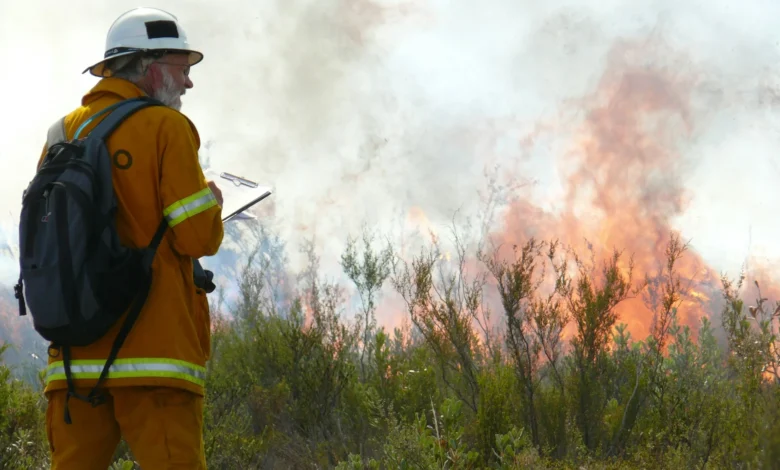
A Fire Risk Assessment is not optional for most businesses and landlords. Fire safety laws across many regions require responsible persons to identify fire risks, implement control measures, and keep people safe from harm. These legal obligations exist to prevent fires, reduce injuries, and limit property damage.
Legislation places accountability directly on those who own, occupy, or manage premises. Ignoring this responsibility can lead to severe consequences, including enforcement notices, heavy fines, and even imprisonment in extreme cases.
For businesses and landlords, understanding legal duties related to Fire Risk Assessment is essential for compliance and long-term risk management.
Who Must Carry Out a Fire Risk Assessment
Fire safety law typically assigns responsibility to the “responsible person.” This individual may be:
- A business owner or employer
- A landlord or property owner
- A managing agent
- A facilities or building manager
In multi-occupied buildings, responsibility may be shared. However, shared responsibility does not remove individual accountability. Each responsible person must ensure that the parts of the premises under their control are safe.
Even if a professional assessor is hired, the legal responsibility for Fire Risk Assessment compliance always remains with the responsible person.
Premises That Require Fire Risk Assessment
A Fire Risk Assessment is required for almost all non-domestic premises, including:
- Offices and commercial buildings
- Shops and retail units
- Factories and warehouses
- Schools and colleges
- Hotels and guest houses
- Residential blocks with shared areas
Private single-family homes are usually exempt, but common areas in apartment buildings must always be assessed. Temporary structures, such as event venues and construction sites, are also subject to fire risk regulations.
Legal Duties of Businesses Under Fire Risk Assessment Law
Businesses are legally required to take proactive steps to manage fire safety. This includes identifying hazards, assessing risks, and putting appropriate safety measures in place.
Key legal duties include maintaining fire alarms, ensuring emergency exits are clear, providing fire extinguishers, and training staff on evacuation procedures. Employees must be informed about fire risks and instructed on how to respond during an emergency.
Businesses must also review their Fire Risk Assessment regularly, especially after changes such as renovations, increased staff numbers, or new equipment installations.
Fire Risk Assessment Obligations for Landlords
Landlords have specific responsibilities when it comes to Fire Risk Assessment. These duties extend beyond protecting property and include ensuring tenant safety at all times.
Landlords must assess common areas such as stairwells, corridors, entrance halls, and shared facilities. Fire doors, emergency lighting, and alarm systems must be properly installed and maintained.
See Also: How Roof Repair Services Improve Your Home’s Safety and Comfort
Failure to conduct a Fire Risk Assessment in rental properties can result in legal action, loss of rental licenses, and invalidated insurance policies.
What Must Be Included in a Legally Compliant Fire Risk Assessment
A legally valid Fire Risk Assessment must include several critical elements. These include identifying fire hazards, determining who may be harmed, and evaluating the level of risk.
It must also outline control measures, emergency procedures, and fire safety equipment maintenance plans. Documentation is essential, particularly for larger premises or workplaces with five or more people.
Records should clearly show findings, actions taken, and review dates. Inspectors often request this documentation during audits or investigations.
Penalties for Non-Compliance
Failure to comply with Fire Risk Assessment requirements can lead to serious penalties. Enforcement authorities have the power to issue:
- Improvement notices
- Prohibition notices
- Unlimited fines
- Criminal prosecution
In severe cases involving injury or loss of life, responsible persons may face imprisonment. Beyond legal penalties, non-compliance can damage business reputation and result in loss of customer trust.
How Often the Law Requires Fire Risk Assessment Reviews
The law does not always specify a fixed review period, but it requires assessments to be kept up to date. Reviews should be conducted:
- Annually as best practice
- After building alterations
- Following changes in occupancy
- When new hazards are introduced
- After a fire or near-miss incident
Regular reviews demonstrate due diligence and help ensure ongoing legal compliance.
Using Competent Professionals for Legal Compliance
While some low-risk premises allow self-assessment, many businesses and landlords choose to hire competent professionals. A qualified fire risk assessor understands legal standards, fire behavior, and risk reduction strategies.
Using a professional helps reduce liability and ensures that Fire Risk Assessment findings meet regulatory expectations. It also provides reassurance during inspections and insurance evaluations.
For further guidance on fire safety legislation, refer to official resources such as the government fire safety guidance.
FAQs About Fire Risk Assessment Legal Requirements
Is Fire Risk Assessment a legal requirement for small businesses?
Yes, size does not remove legal responsibility. Small businesses must still comply with fire safety laws.
Can landlords be fined for not having a Fire Risk Assessment?
Yes, landlords can face fines, enforcement action, and prosecution for non-compliance.
Do I need to keep Fire Risk Assessment records?
Yes, documentation is required for most workplaces and is strongly recommended for all premises.
Who enforces Fire Risk Assessment laws?
Fire authorities and local enforcement agencies are responsible for inspections and enforcement.
Does Fire Risk Assessment apply to vacant buildings?
Yes, vacant or partially occupied buildings can still pose fire risks and require assessment.
Can insurance be invalid without Fire Risk Assessment?
Yes, many insurers require proof of a valid Fire Risk Assessment.
Conclusion
A Fire Risk Assessment is a legal cornerstone of fire safety for businesses and landlords. Understanding legal responsibilities, maintaining up-to-date assessments, and implementing effective control measures protect lives while ensuring compliance with fire safety laws. Treating Fire Risk Assessment as an ongoing legal duty rather than a one-time task is the key to long-term safety and protection.