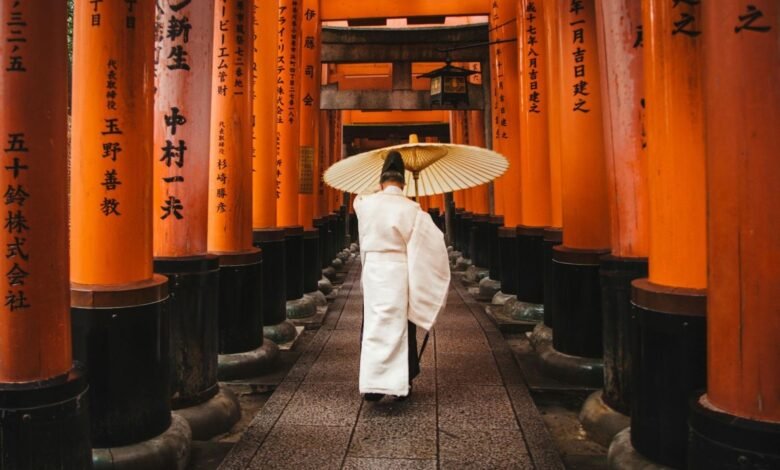
Before you pack your bags for Japan, you should take the time to learn the do’s and don’ts when exploring the Land of the Rising Sun. A series of unfortunate events in recent years have raised a few eyebrows among locals.
For instance, Kyoto recently cracked down on tourists asking geishas for Insta-worthy clicks. These revered artists look amazing gliding down Japan’s streets, but they also deserve our respect, which fans of the country know full well.
Hence, as a tourist, you must do your due diligence to ensure you remain respectful of the local culture and norms while having a good time. Otherwise, the locals may see you as a rude gaijin (outsider) and treat you like one.
From talking loudly on the metro to refusing to pay for appetizers, here are some unique things that may ruffle some local feathers:
Talking Loudly on the Metro
Have you ever seen Japanese people on the train? No one talks – most are either asleep, scrolling through their phones (with their earphones on), or just staring off in the distance. It’s calm and peaceful because disturbing passengers is considered rude.
This is understandable. Japanese metros are usually filled with salaried folk and students exhausted from their day. The last thing they need is noise on their way home to a warm bath and bed.
This is a common concern in short-distance public trains such as the TOEI Subway, but it is a different story in longer-commute metros such as the Shinkansen (bullet train).
When you board a train, there will usually be other passengers on board. Respect them by being silent. Turn off that podcast or music, or use AirPods to listen.
Try not to pick up calls while on a train that doesn’t have a dedicated area for phone calls (such as the Shinkansen). Use headphones and talk quietly so others cannot hear you. But don’t be fooled – Japanese people aren’t perfectly behaved all the time either, even though they have a lot of rules.
Entering Hot Springs or Bathtubs Without Rinsing Off
This may initially gross you out, but Japanese families share their bathwater. But they are super clean before they get in!
A warm bath is basically a hot tub for them. So, before they get in, they wash off sweat and dirt with a proper shower. This ensures the bath water remains relatively clean for the next person.
The same rules apply to public baths and onsens (hot springs). There is usually a designated shower area in both cases. Sure, you can jump in without rinsing off first, but you may be kicked out or told off for it. Worse, you may be banned!
So, before entering a bathtub in your host’s bathroom or an onsen, rinse off with soap and water first. Ask for these or buy them – it can save you many dirty looks later or, worse, a ban!
See also: Top Benefits of Choosing Linoleum Flooring UK for Modern Homes
Refusing to Pay for Appetizers
After a relaxing soak in a tub or onsen, a tall glass of cold beer sounds great, so you head to the nearest izakaya and place an order.
These are similar to your local pub or bars, serving alcohol with delicious appetizers or snacks. Most Japanese working men and women head here after work to drink and have fun.
But that fun can turn sour quickly for foreigners with the check. Yes, even though you only ordered drinks, the appetizers (aka Otoshi) aren’t free. The chef prepares these as soon as you place a drink order.
You can refuse to pay if there is no sign outside the bar mentioning the surcharge, but it will be impolite to do so. So, cover the entire bill before leaving. The good news is that there is usually a sign outside Japanese bars and restaurants stating this surcharge, but it’s usually mentioned in Japanese.
One more thing! Before using public WiFi to warn other travelers on Yelp about the surcharge, use a VPN provided by Surfshark to encrypt your data. Spear phishing attacks are common in Japan, so you should do your due diligence to avoid becoming a cybercrime victim.
If you want to check your email after posting a review, beware of unknown senders. If you accidentally click on phishing emails, your account details will be vulnerable.
Japanese People Have Their Limits – Travel Responsibly
Japanese people are friendly and usually overlook minor gaffes. But how would you like it if a guest kept disrespecting you? The keyword here is ‘guest.’ Respect their traditions, cultures, and customs to make the most of your trip to Japan!